Debit and credit card programs have been around for decades, and many financial institutions are focused on newer priorities: AI, instant payments, embedded finance, open banking, and digital experiences.
But cards are still central to everyday banking — powering purchases, generating useful data, supporting interchange revenue, and helping community banks and credit unions build stronger account holder relationships.
Improving your card program can help drive growth as fraud threats, merchant costs, and demand for personalization continue to rise.
Discover how community banks and credit unions are prioritizing growth in all areas — including cards and other payment options — in the 2026 Banking Priorities Executive Report.
Key Takeaways
- Cards remain a growth engine. Debit, credit, prepaid, mobile wallet, and e-commerce payments still create frequent account holder touchpoints.
- Cardholder data should drive engagement. Transaction signals can reveal inactive cards, mobile wallet gaps, declining spend, and business card opportunities.
- Segmentation makes card marketing more relevant. Students, families, retirees, credit-building consumers, and small businesses need different messages and offers.
- Business cards can deepen relationships. Strong programs help small businesses control spending, track expenses, improve reporting, and keep more activity with the institution.
- Value-added services help cards stay top-of-wallet. Merchant discounts, fraud protection, card controls, alerts, and personalized offers give cardholders more reasons to use the card.
Cards Still Power Everyday Payments
Even as payment options expand, cards are still the most popular way to pay. In 2024, credit cards accounted for 35% of all consumer payments by number and debit cards accounted for 30%, according to the Federal Reserve’s 2025 Diary of Consumer Payment Choice. Remote payments also continue to grow, with 23% of consumer purchases and peer-to-peer payments made remotely. Other Federal Reserve data shows non-prepaid debit cards represented 58% of card payments, compared with 36% for credit and 6% for prepaid.
Digital payments haven’t pushed cards aside. Many still run on card rails: phone taps, app payments, and online checkout often use a debit or credit card.
That creates opportunity, and competition. Account holders carry multiple cards, and business owners use many payment tools. Being in the wallet isn’t enough; institutions need a reason to be first choice.
That reason will look different across segments. For some account holders, it may be mobile wallet convenience, card controls, or merchant offers. For others, secured and prepaid cards can provide a first step to build credit or manage spending. With U.S. credit, debit, and prepaid card purchase volume projected to grow from $12.260 trillion in 2024 to $15.701 trillion in 2029, institutions that treat cards as a program that adapts by segment will be better positioned to capture everyday spend, digital wallet activity, e-commerce transactions, and future relationship growth.
Start With the Right Cardholder Signals
Many card programs still use broad promotions: a seasonal campaign, a generic rewards message, or a one-time activation push. That misses the bigger opportunity.
A stronger strategy starts with behavior. Institutions should look for signals such as:
- Active checking accounts with little debit use or cards never activated
- A decline in card spend over the past 60 to 90 days
- Consumer cards showing business-like spending patterns
- Account holders who may be better matched with secured, prepaid, or credit-building options
- Cardholders who prefer digital-first, tokenized, or virtual-only card options
- Business accounts using checks or ACH for expenses that could move to cards
- High-value cardholders who may respond to rewards, merchant discounts, or premium benefits
 Smarter cardholder data turns broad campaigns into more relevant, behavior-based offers.
This is where consumer intelligence and segmentation become practical. A college student building credit doesn’t need the same message as a family managing household expenses. A business owner paying for fuel, travel, software, and supplies doesn’t need the same offer as a retired debit card user who values simplicity, low fees, and easy-to-access banking features. Their rewards preferences will vary, too, giving you another lever to customize offers.
Make Activation Feel Like Help, Not a Sales Pitch
Many card programs lose momentum early in the lifecycle. A card is issued, mailed, and activated, but usage never becomes a habit. That’s especially common when account opening, digital banking enrollment, mobile wallet provisioning, card controls, and card activation are treated as separate steps.
Treat the first 90 days as a card adoption window. Build a short sequence that helps the account holder take the next useful step. For example:
- Day 1: “Your card is ready. Here’s how to activate it.”
- Day 7: “Add your card to your mobile wallet for faster checkout.”
- Day 21: “Use your card for everyday purchases like groceries, gas, and subscriptions.”
- Day 45: “Set alerts to help monitor spending and spot unusual activity.”
- Day 75: “See where your card benefits can help you save.”
The same approach works for inactive cardholders. If someone hasn’t used a debit card in 60 days, point to a specific benefit, such as easier checkout, merchant offers, controls, ways to earn rewards, or recurring bill payments.
Treat Business Cards as an Operating Tool
For a business owner, a card isn’t just a way to pay. It can help control spending, track expenses, manage employee purchases, reduce reimbursement headaches, and improve visibility into cash flow.
That message lands especially well right now, with small businesses still under pressure from rising costs. In April 2026, 16% of small business owners said inflation was their single most important business problem, according to NFIB.
A business card can help owners:
- Separate personal and business expenses
- Give employees controlled spending access
- Track fuel, dining, travel, and supply purchases
- Reduce manual receipt collection
- Improve reporting for bookkeeping and taxes
- Keep more operating activity streamlined with the primary financial institution
For the institution, that activity can support deposits, richer data, interchange economics, and primary-bank status.
For a contractor with two crew leads, business cards and spend controls can make fuel and supply purchases easier to track, reduce reimbursement issues, and give the institution a stickier relationship.
 For business owners, the right card program can simplify spending, reporting, and cash flow visibility.
Add Value Beyond Points
Rewards still matter, but they won’t carry a card program alone. Many account holders expect security, digital access, personalized offers, simple controls, and practical savings.
A practical roadmap should cover risk and operations, engagement, growth, loyalty, personalization, and advisory insights.
For consumers, that may include:
- Card controls and real-time alerts
- Digital wallet support
- Credit-building options
- Fraud monitoring
- Personalized offers
- Clear dispute support
For businesses, that may include:
- Expense management tools
- Cash-flow visibility
- Employee card controls
- Merchant discounts
- Category-level spending insights
- Better reporting
Operationally, that may include fraud scoring, dispute support, data workflows, marketing materials, digital offers, flexible payments, and analytics engagements.
Built-in fraud protection also belongs in this conversation. As more card activity moves into e-commerce, mobile wallets, and app-based payments, fraud exposure follows. The Nilson Report projects card payment fraud losses will reach $403.88 billion globally over the next 10 years, with the U.S. expected to be hit especially hard in card-not-present transactions such as e-commerce payments.
Alerts, tokenization, fraud scoring, controls, and clear resolution support can add protection and peace of mind without adding friction.
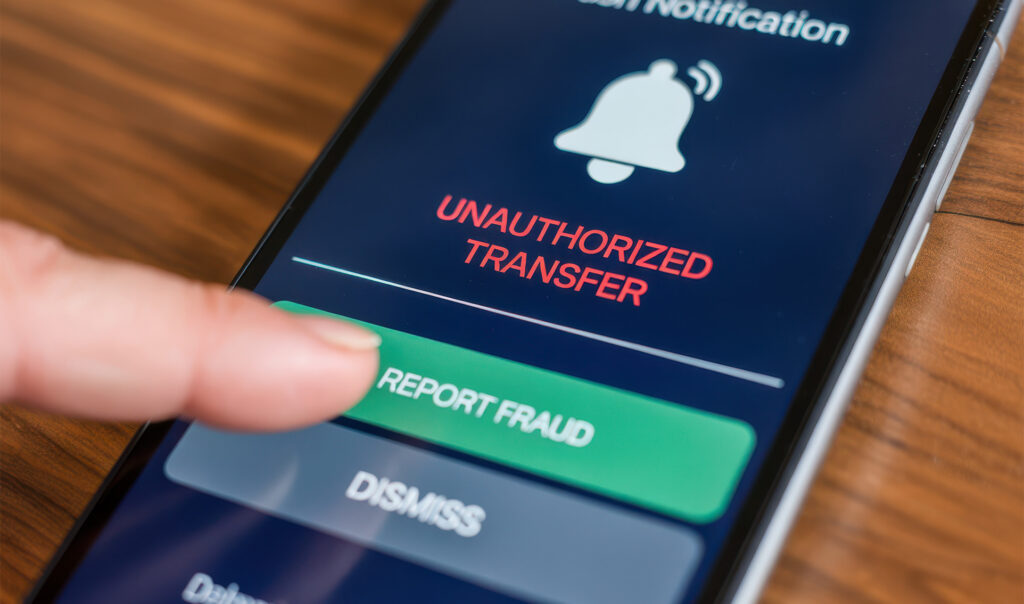 Strong card programs offer security, controls, digital access, and peace of mind.
Use Merchant Discounts to Give Cardholders a Reason to Come Back
Cardholders save money on purchases they’re already making, and issuers get a stronger reason to promote the card beyond rates, fees, or generic rewards when merchant discounts are offered.
Programs like Visa SavingsEdge and Mastercard Easy Savings give business cardholders a practical reason to use their cards for everyday operating expenses:
- Visa SavingsEdge offers eligible Visa Business cardholders savings on in-store, online, and travel purchases through card-linked offers, cashback, and instant coupons.
- Mastercard Easy Savings automatically applies rebates on eligible purchases with no coupons or codes required.
These programs are designed to require minimal issuer effort: Visa SavingsEdge is available to eligible Visa Business portfolios without new issuer costs or agreements, while Mastercard Easy Savings can be enabled by enrolling eligible card ranges.
The value is tied to categories small businesses already use, including:
- Fuel
- Dining
- Hotels and travel
- Gifts
- Business products and services
For issuers, these programs are market-ready and low-lift. For business cardholders, the message is simple: use the card for purchases you’re already making and get savings back.
A stronger message to promote the benefit would be, “Use your business card for eligible fuel, travel, dining, and other purchases to qualify for automatic savings at participating merchants.”
Don’t Ignore the Back End
Card growth isn’t only a marketing challenge. A core-integrated card processing solution can also support clean operations, good reporting, and disciplined portfolio management.
Institutions should regularly review:
- Activation, usage, and attrition trends
- Spend by channel, including card-present, card-not-present, and mobile wallet
- PIN vs. signature routing strategies
- Authorization rates
- Dispute volumes and resolution times
- Reissue costs and replacement cycles
- Portfolio profitability by segment
- Fee structures, disclosures, and account holder experience
The front end needs the same discipline. Product mix, form factor, virtual cards, life-stage marketing, onboarding, and inactive strategies can all influence usage.
Network analytics tools can help teams track revenue, product trends, spend by channel, and retention opportunities.
Better reporting shows where the program is gaining traction and where friction is costing the institution. It also shows which segments are growing and which cardholders need a more relevant reason to reengage.
Keep the Card Program Moving
Cards are becoming more digital, data-rich, and competitive.
The path forward is practical: use transaction data, segment by actual needs, strengthen onboarding and activation, expand business card value, promote merchant savings, and tighten operations.
Institutions that do this well treat cards as a daily engagement channel, a source of insight, and a growth engine.
Want to know what growth strategies banking leaders are focusing on this year? Check out the 2026 Banking Priorities Executive Report.
Read the report
Tina Zulich, Manager, Card Product Management
Tina Zulich is the Manager of Product Management for Payments at CSI, where she is responsible for overseeing and ensuring the successful delivery and performance of card solutions. Since joining CSI in 2010, Tina has played a key role in advancing payment products and supporting customer needs through strategic product leadership.