The holiday season brings plenty of joys: gift-giving, shared moments, family traditions. Unfortunately, it also delivers a less festive tradition. Every year, the holidays come with a predictable rise in fraud. As transaction volumes spike and people shop, travel and communicate more than usual, scammers see opportunity.
Financial institutions pay the price for fraud, in more ways than one. Not only do they foot the bill for fraud prevention tools, they often absorb fraud losses directly and may even lose customers who associate breaches or scams with the bank itself.
Staying vigilant can be especially challenging during this busy time of year, as customer activity and scam attempts rise simultaneously. Understanding the risks that surface during the holidays and the tactics fraudsters rely on is essential to.
Exploring Common Holiday Scams
Fraud spikes every holiday season, a problem compounded by reduced staffing at many financial institutions, leaving them short-handed just as transaction volumes and scam attempts surge. To protect themselves, customers need to recognize the most common holiday scams before they fall victim, particularly as AI allows fraudsters to craft schemes that appear more legitimate than ever.
- Charity scams: During the season of giving, scammers often exploit generosity by posing as charitable organizations. Using AI, they can now quickly clone legitimate websites to closely resemble real nonprofits, complete with replicated logos, imagery and messaging. Verifying charities before donating and sticking with well-known organizations can help customers avoid these scams.
- Too-good-to-be-true deals: Holiday shoppers are flooded with promotional emails, ads and limited-time offers, making it easy for criminals to blend in. Scammers frequently deploy fake ads promoting steep discounts or urgent alerts that redirect users to phishing sites with convincing ad copy and images that make these promotions appear legitimate. Caution your customers that if a deal seems unusually urgent or unbelievably low-priced, pausing to confirm the retailer’s authenticity is a smart first step.
- Package delivery scams: The Better Business Bureau warns that this type of scam is common during the busy holiday shopping season. Fraudsters take advantage by sending fake delivery updates, many of which look strikingly authentic because they’re built from polished, automated text templates. These “tracking links” usually lead to credential-stealing sites (designed to look like legitimate customer service portals) or malware downloads. Advise customers to bypass any link in an unexpected message and instead check their delivery status directly through the carrier’s official website or app.
- Gift card fraud: Hackers continue to target gift cards by tampering with them in stores or coercing victims into paying with prepaid cards. AI enables fraudsters to personalize scam messages at scale, making these requests feel more convincing. Purchasing gift cards from trusted, secure retailers only and never using them as payment for a product, service or debt can reduce risk.
- Unsolicited calls: Scammers regularly impersonate bank representatives, and AI-powered voice-cloning tools have made these calls even harder to detect. These calls can sound eerily accurate, even matching the tone and cadence of the person impersonated. Remind customers that legitimate banks will not request one-time passcodes or sensitive details by phone. Hanging up and calling the official number on their card or bank website is the safest way to confirm legitimacy.
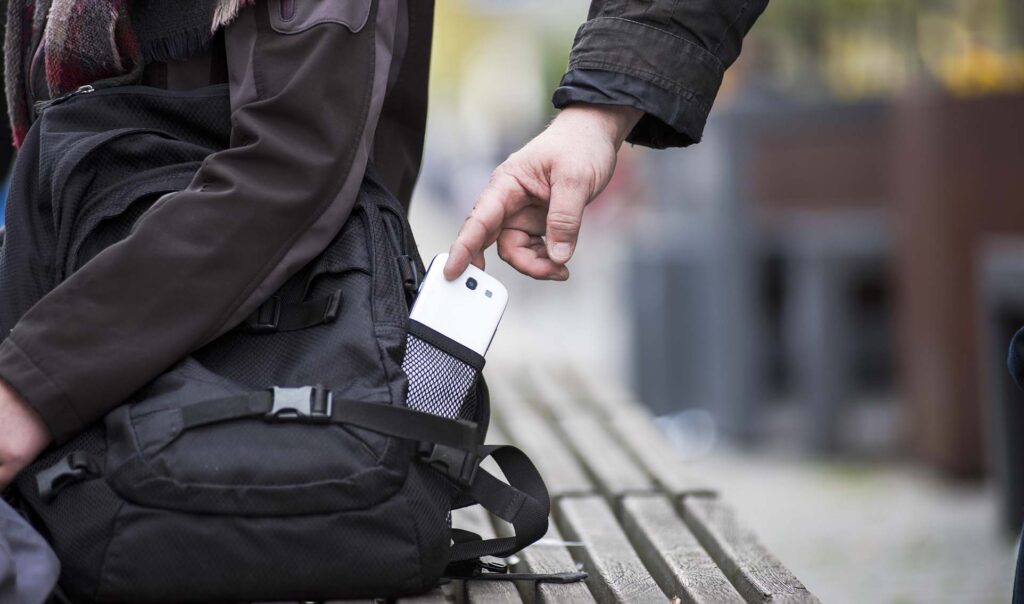 Not all fraud is digital. In-person fraud and theft remain risks to.
Raising Awareness to Fight Fraud
Financial criminals have taken full advantage of cyberspace, but fraud isn’t limited to digital channels. In-person fraud and theft still occur, and the holidays often increase those risks:
- More people: With guests, family and delivery drivers coming and going, suspicious activity is easier to overlook and harder to trace back to a single person. That cover makes it easier for a bad actor to steal valuables, personally identifiable information or financial records.
- More travel: Traveling for the holidays leaves homes unoccupied and susceptible to theft, while travelers are more exposed to card fraud during their trip.
- More stress and distraction: Daily life goes on even during the holidays. When you add shopping, gift wrapping, cooking and traveling on top of work and chores, consumers tend to let their guard down. Remind customers not to leave purses, wallets or devices unattended or account information in view of others, even briefly. Criminals are waiting to pounce.
Encouraging Customer Participation in Fraud Prevention
Small, consistent actions by customers can make a meaningful difference in preventing fraud. Sharing these practical steps can help not only protect individuals, but also reduce risk for your institution as a whole.
- Check bank accounts: Digital banking makes it easy for customers to monitor their bank and credit card accounts between statements. The quicker they spot and report suspicious activity or unrecognized transactions, the sooner the fraud can be stopped.
- Use secure, modern payment methods: Rely on payment options like contactless tap-to-pay, mobile wallets or EMV chip transactions. These methods offer built-in encryption and tokenization, making them significantly safer than magnetic-stripe swipes, especially since fraud rates for swiped transactions are ten times higher than for EMV chip payments.
- Keep transactions private: It’s not safe to conduct online shopping or banking on public Wi-Fi. The only way to ensure that hackers aren’t eavesdropping on online activity—and stealing credit card or personal information in the process—is to use password-encrypted private Wi-Fi or a virtual private network.
- Strengthen passwords: Weak or reused passwords leave accounts vulnerable. Create strong, unique passwords for each account and use multi-factor authentication for important accounts whenever available.
- Enable alerts and controls: Take full advantage of available card technology for greater visibility and protection, like On/Off card features and card purchase notifications for both debit and credit cards.
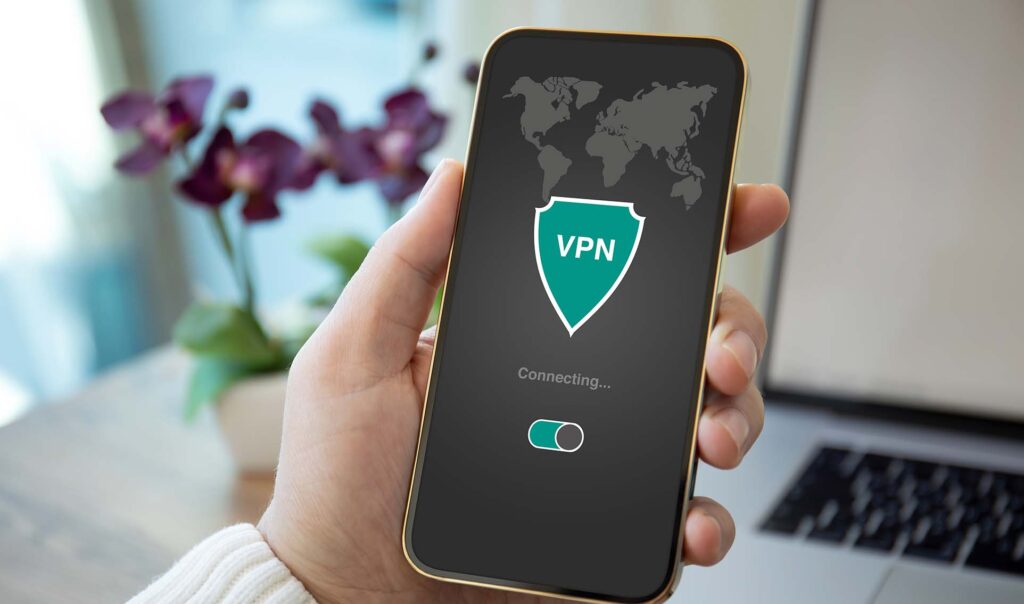 A VPN is one way to ensure the safety of your customers’ personal information.
Partnering with Customers to Fight Holiday Fraud
Like many important messages, it will likely take more than one attempt for your customers to truly absorb fraud prevention guidance. Since even a single incident of fraud can have far-reaching effects, it’s worth the time and effort to use every channel at your institution’s disposal to prevent it: statement and website messaging, social media, texts, emails and in-person interactions. This outreach is even more critical today as AI continues to accelerate the speed, scale and sophistication of fraud, enabling scammers to craft highly convincing messages, impersonations and schemes that are harder for customers to recognize.
Staying protected against cybersecurity threats can be a daunting task for any institution no matter the size. Download CSI’s tips on protecting your institution against cybersecurity threats to learn how you can mitigate risk for your organization, its staff and its customers—during the holiday season and beyond.
Download your copy